my systems playbook

Most high performers don’t struggle because they lack discipline, ambition, or intelligence.
They struggle because everything depends on them.
If you’re the one remembering, initiating, fixing, clarifying, and holding it all together—your nervous system never gets to slow down. And eventually, anxiety or burnout steps in to force the pause you didn’t schedule.
This is where systems change everything.
What systems actually do (& why motivation is a myth)
Systems aren’t about rigidity.
They’re about reducing friction.
Good systems:
Remove repeated decision-making
Externalize memory
Create predictability for your nervous system and anxiety
Protect your energy for higher-level thinking and creativity
If you’re an anxious achiever, this isn’t a productivity issue… it’s regulation.
The core systems I’ve built
Email Templates = Fewer Micro-Stressors
Every unanswered email is an open loop.Templates turn emotional labor into repeatable structure so you’re not drafting responses from scratch—or absorbing unnecessary urgency.
If you answer the same type of email more than twice, it deserves a system.
The Provider Manual = Leadership Without Over-Functioning
Over the last five years, I built a 70+ page provider manual for our company that houses: expecations, templates, clinical processes, and so much more.This protects the business and my nervous system.
If people need you to function, you don’t have leadership—you have dependency.
Weekly Rhythm = Predictable Capacity
No meetings on Mondays and Fridays wasn’t accidental (my weekly schedule).Those days are reserved for: writing, strategy, catching-up, deep work, thinking ahead.
High performers don’t need more hours… they need fewer interruptions.
Shared Home Systems = Less Invisible Labor
Mental load is still labor.Our shared family calendar holds every recurring task across: parenting, home management, work responsibilites, pick-up schedules, annual to-dos, etc. Nothing relies on memory alone. And no one person becomes the default project manager of life.
Why systems matter
Anxiety often shows up when:
Everything feels urgent
Nothing feels contained
You’re holding too much internally
Systems create external and internal safety.
They tell your nervous system: this is handled.
You can still feel anxious (and keep moving forward) because the structure holds you when emotions fluctuate.
If you’re starting from scratch
Start here:
What do you repeat every week?
What drains you the most?
Where are decisions being re-made unnecessarily?
Write those things down.
Build one system at a time.
Consistency beats complexity.
Example Systems
(Ideas to get you started—build what fits your life)
You don’t need all of these.
You need the right few.
If something creates friction, stress, or constant decision-making… it’s a candidate for a system.
Work Systems
Communication & Time Protection
Email templates for common responses (inquiries, boundaries, follow-ups, delays)
Auto-responses for focused work days or vacations
Slack/messaging norms (response times, urgent vs non-urgent)
Meeting-free days or time blocks
A decision tree for when something actually needs a meeting
Office hours system for questions instead of constant interruptions
Leadership & Team Management
New hire onboarding checklist
Role clarity documents (what’s your job vs. not your job)
Provider or employee manual
Core values + behavior examples
Conflict resolution process
Feedback cadence (how and when feedback is given)
Clear escalation system (what problems come to you vs. not)
Delegation guidelines (what gets delegated, to whom, and when)
Operations & Efficiency
SOPs (standard operating procedures) for recurring tasks
Weekly leadership review checklist
Monthly metrics dashboard
Project timelines with owners and deadlines
Decision-making framework (what requires consensus vs autonomy)
Documentation system (where things live and why)
Productivity & Focus
Weekly planning ritual
Daily top-3 priorities system
Deep work blocks
Task batching by energy level
End-of-day shutdown routine
End-of-week review
Intellectual Property & Knowledge
Centralized templates and resources
Playbooks for repeatable processes
Internal training materials
Knowledge base for FAQs
Documentation of “how we do things here”
Home & Life Systems
Calendar & Scheduling
Shared family calendar (I prefer color coded Google calendars)
Color-coded calendars (work/kids/home/personal)
Recurring events for:
School schedules
Sports and activities
Appointments
Travel
Buffer time built in intentionally
Weekly family logistics check-in
Mental Load Reduction
Recurring reminders for:
Bills
School forms
Birthdays
Maintenance
Lists for:
Groceries
Household supplies
Ongoing projects
“Default decisions” (what’s for dinner on busy nights, etc.)
Household Management
Cleaning schedule (daily/weekly/monthly/quarterly)
Laundry system
Meal planning system
Grocery ordering routine
Home maintenance calendar (Add to Google calendar)
Seasonal reset lists
Parenting Systems
Morning routine for kids
Evening wind-down routine
School prep checklist
Homework rhythm
Chore systems
Family rules and expectations written down
Communication norms between caregivers
Emotional & Nervous System Care
Morning routine
Evening routine
Movement schedule
Screen boundaries
Anxiety management plan (what you do when anxiety shows up)
“Bad day” protocol (what gets simplified, dropped, or postponed)
Personal & Growth Systems
Decision-Making
Values-based decision filter
“Not right now” list
Criteria for saying yes or no
Boundaries
Work start and stop times
Weekend rules (what’s allowed vs protected)
Social energy budgeting
Recovery time after high-output days
Guilt-check system (“Is this values-based or fear-based?”)
Reflection & Review
Weekly reflection questions
Monthly life audit
Quarterly goals check-in
Lessons learned document
Financial & Admin Systems
Bill payment automation
Budget check-in schedule
Savings automation
Business finance review rhythm
Tax prep checklist
Insurance review reminders
A Gentle Reminder
Systems don’t mean:
You’re rigid
You’re over-optimized
You’re “too much”
They mean:
You respect your time
You protect your energy
You stop asking your nervous system to hold everything
Start with one area.
Build one system.
Let it work for you before adding another.
LATEST NEWS:
My debut book is available for preorder: Invisible Inheritance: A Guide to Healing Anxiety Across Generations.
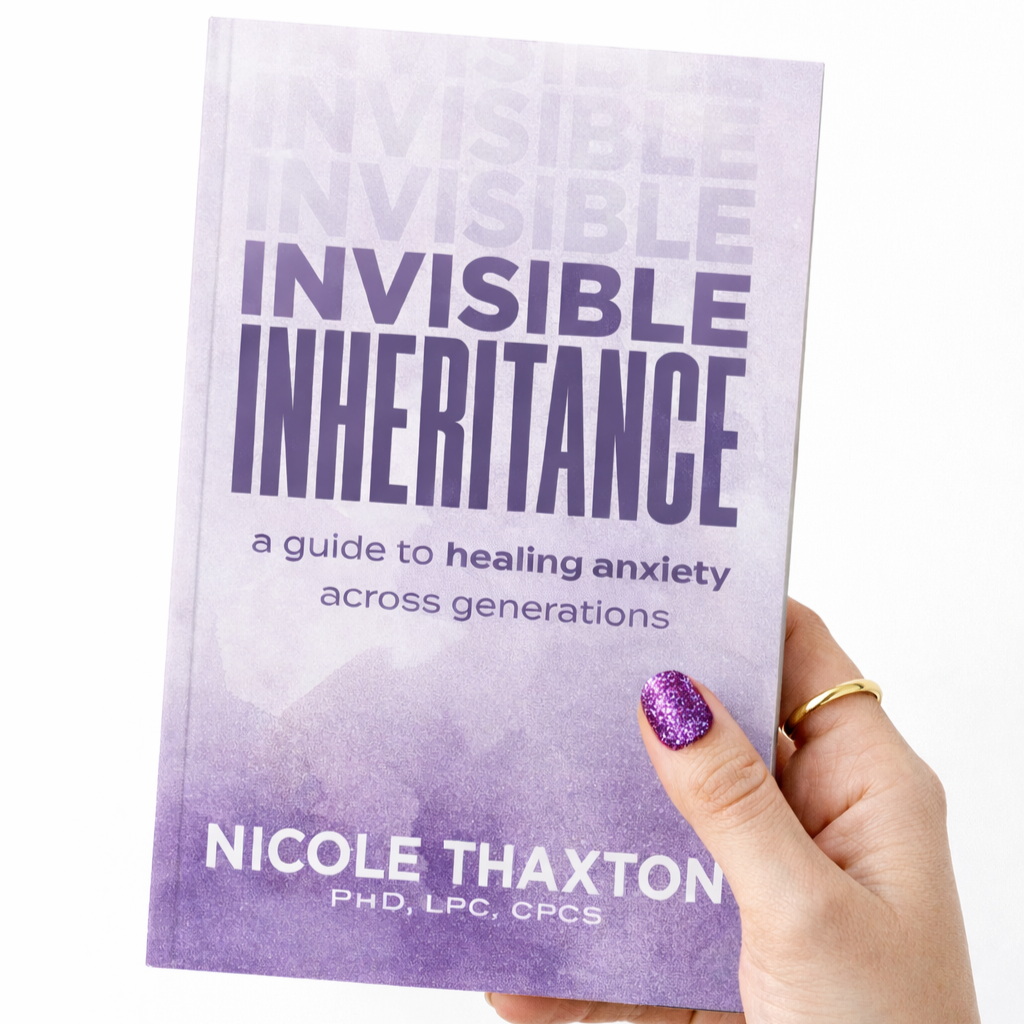
I speak to leaders, parents, and (small and large) organizations about emotional endurance, work-life blend, high-functioning anxiety, and sustainable leadership.
If this reflection resonates with your team or community, you can learn more about bringing this work to your organization here:
Thanks for reading! Want more writings and resources?
Here are a few blog posts you might enjoy:
001. Read me if you want more vision casting tips and tools
002. Read me if you're struggling with anxiety
003. Pre-order my debut book now!
004. Join the weekly newsletter for resources, essays, and encouragement.
Disclaimer: This blog is not intended to substitute professional therapeutic advice. Talk with your healthcare provider about your health concerns and before starting or stopping therapies. No content on this site, regardless of date, should ever be used as a substitute for direct professional advice from your doctor or other qualified clinician.