the hidden cost of being the reliable one

I just finished reading Scary Close by Donald Miller, and it put words to something I see all the time—in my work, in my relationships, and if I’m honest, in myself.
It’s the quiet loneliness of being the reliable one.
The one who shows up.
The one who remembers.
The one who anticipates needs before they’re spoken.
The one people trust because you’ve never let them down.
On the outside, it looks like strength.
On the inside, it often feels like exhaustion… and disconnection.
Many anxious achievers grow into reliability early. You learn that being needed is safer than being vulnerable (or needy, the worst thing you could possibly be). That being capable keeps relationships intact. That if you don’t inconvenience anyone, you won’t be rejected.
And over time, “I’ll handle it” becomes your identity.
But there’s a hidden cost.
If this resonates, you might recognize some of these internal messages:
Asking for help is selfish.
I don’t want to burden anyone.
Other people have it worse.
It’s just easier if I do it myself.
People count on me. I can’t drop the ball.
These beliefs often sound responsible, mature, even noble.
But they quietly train your nervous system to associate closeness with over-functioning and vulnerability with risk.
What this is really costing you
Being the reliable one doesn’t just cost energy and time. It costs connection.
Here are some of the less obvious losses I see most often:
➜ The cost of not being fully known.
People know what you do, but not what you need.
They know your competence, not your inner world.
You feel disconnected in relationships.
➜ One-sided relationships.
You become the giver, the listener, the fixer, while intimacy requires mutuality.
➜ Emotional loneliness.
Even surrounded by people, there’s a sense that no one really knows you.
➜ Resentment you don’t feel allowed to have.
You chose this role, so it feels wrong to be angry, yet something inside you is tired.
You feel resentful of others who express their needs and ask for help.
➜ A nervous system that never gets to rest.
Being “on” all the time keeps your body in a low-grade state of threat, even in safe relationships.
The biggest cost of all?
➜ You miss the experience of being cared for without earning it.
Why letting go feels so scary
For many anxious achievers, reliability became the way to stay connected. At some point (often early) it worked.
So loosening that role can feel dangerous:
What if people are disappointed?
What if I’m less valuable?
What if I ask for help and it’s too much?
Your nervous system isn’t being dramatic, it’s protecting you using old data.
But intimacy doesn’t grow through perfection or performance.
It grows through honesty and reciprocity.
A gentler path forward
This isn’t about becoming unreliable or swinging to the opposite extreme. It’s about becoming more real.
Here are a few ways to begin, slowly and safely:
1. Practice being “a little less capable” on purpose.
Let someone else handle something small. Resist the urge to fix, smooth, or rescue. Notice what comes up, and remind yourself that discomfort is normal when you're trying something new.
2. Set boundaries that protect your energy, not your image.
Instead of over-explaining, try simple truths:
“I can’t take that on right now.”
“I need some help with this.”
“That doesn’t work for me.”
Boundaries are not withdrawals from love, they’re invitations to healthier connection.
3. Start with low-risk vulnerability.
You don’t have to share your deepest fears right away. Begin by naming real feelings in real time:
“This week has been heavier than I expected.”
“I could use some support.”
“I don’t have this figured out.”
Let yourself be seen.
4. Notice who steps toward you.
Some relationships will deepen when you stop doing all the heavy lifting. Others may fade. That information can be painful, but also clarifying, especially if once close relationships begin to shift with your new shift.
5. Challenge the burden belief.
Ask yourself: Would I feel burdened if someone I loved asked me for help?
Most anxious achievers give compassion freely… learning to receive it takes practice.
A reminder today that you don’t have to earn closeness.
Being reliable kept you safe once. You can honor that part of you without letting it run your life now.
You are allowed to need.
You are allowed to rest.
You are allowed to be known, not just depended on.
And real intimacy doesn’t come from being indispensable.
It comes from being human.
LATEST NEWS:
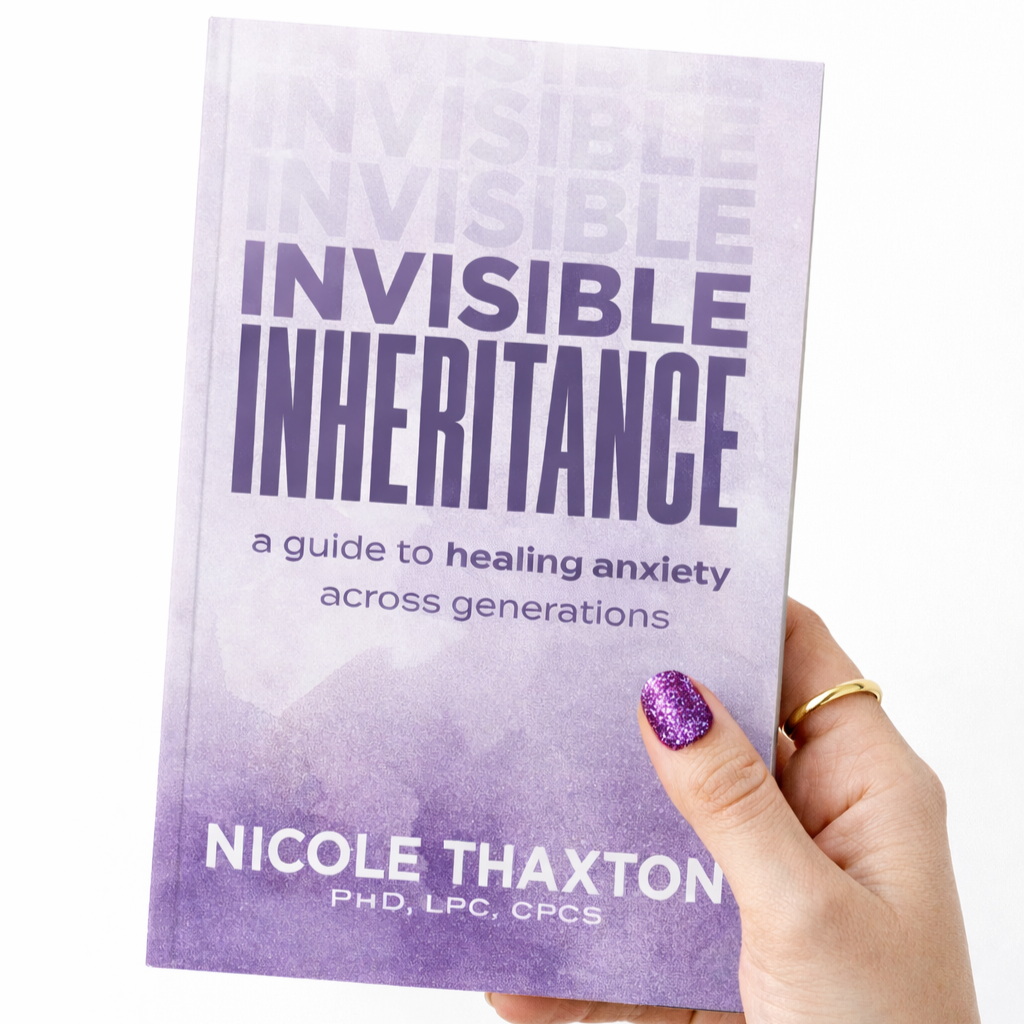
My debut book is available for preorder: Invisible Inheritance: A Guide to Healing Anxiety Across Generations.
I speak to leaders, parents, and (small and large) organizations about emotional endurance, work-life blend, high-functioning anxiety, and sustainable leadership.
If this reflection resonates with your team or community, you can learn more about bringing this work to your organization here:
Thanks for reading! Want more writings and resources?
Here are a few blog posts you might enjoy:
001. Read me if you want more vision casting tips and tools
002. Read me if you're struggling with anxiety
003. Pre-order my debut book now!
004. Join the weekly newsletter for resources, essays, and encouragement.
Disclaimer: This blog is not intended to substitute professional therapeutic advice. Talk with your healthcare provider about your health concerns and before starting or stopping therapies. No content on this site, regardless of date, should ever be used as a substitute for direct professional advice from your doctor or other qualified clinician.